
Memory’s Unreliable Afterlife
What Are You Going ThroughThis thematic thread follows the book’s exploration of how memory preserves emotional truth while altering facts and dissolving lived experience into something dreamlike.
increasing Bearing strength in each event
 decreasing
Bearing strength in each eventdecreasingAn Invented College Memory

An Invented College Memory
A detailed recollection
The friend remembers taking an ethics class with the narrator and debating the right to die. The narrator knows the course and shared assignment never existed.
Memory as explanation
She does not accuse the friend of lying. She recognizes that imagination may have supplied a memory that makes a difficult present feel coherent.
The Ex on the Subway

The Ex on the Subway
A face not recognized
The narrator sits opposite a former partner on the subway and fails at first to recognize him. Years earlier, they had shared a home and a great love.
The past persists anyway
The encounter makes her wonder whether he changed or she buried him too deeply. Emotional memory survives even when recognition fails.
A Glimpse from the Window
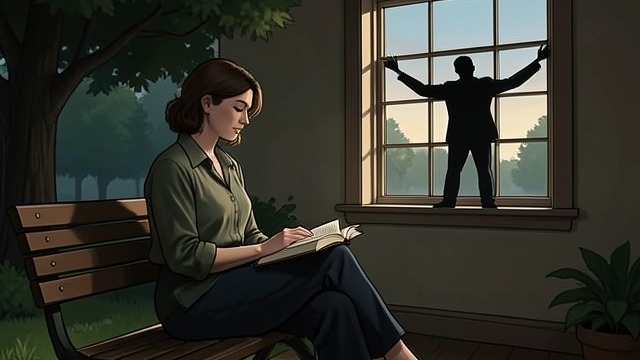
A Glimpse from the Window
A brief sighting
The narrator sees her friend standing at a sixth-floor bedroom window while she sits in a park. She is unsure whether the friend looks down and does not manage to wave.
Imagination adds a gesture
Later, she repeatedly remembers the friend waving. The added detail becomes part of memory despite not belonging securely to the event itself.
A Life Seen Through Obituaries
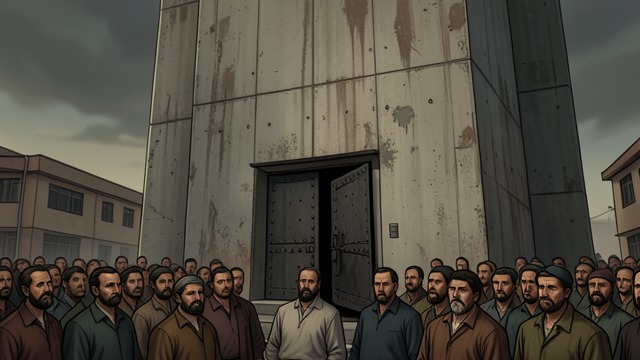
A Life Seen Through Obituaries
Death rearranges public memory
The narrator remembers recently deceased artists, writers, performers, and animals. Their names arrive as a sequence that makes mortality both intimate and difficult to grasp.
A person cannot be summarized
Obituaries and biographies offer a shape to a life, but they cannot reproduce what it felt like to know someone. The narrator measures these public accounts against her unfinished knowledge of the friend.
A Dream After the Story

A Dream After the Story
Experience becomes unreal
The narrator fears that the most powerful experiences will later feel as though they did not happen. The fear is especially sharp because the friendship’s final days have seemed both ordinary and extraordinary.
Writing cannot stabilize memory
She writes anyway, aware that every sentence could have been different. The account becomes a record of uncertainty rather than a guarantee that memory has kept the past intact.
During the conversation at the Bar in the Old Neighborhood
Years after the relationship ends
After the friend has returned to her apartment
During the narrator’s later reflections in the park
In the final pages
